
Concrete Floor Finishes: Best Options for Commercial Spaces
- Adam Diamond

- 1 day ago
- 5 min read
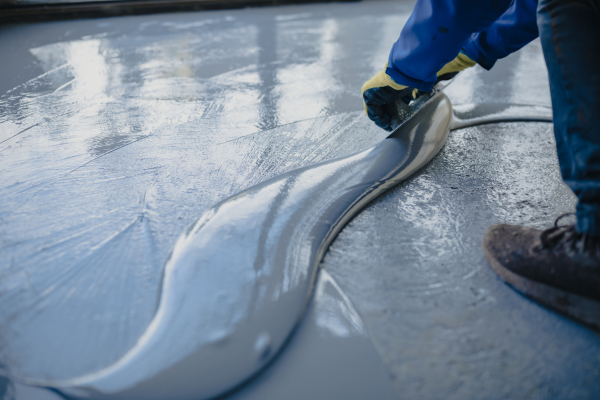
Commercial property managers have a long list of responsibilities. Flooring decisions often sit near the top of that list because floors take daily abuse from foot traffic, carts, forklifts, equipment, and cleaning chemicals. Choosing the right concrete floor finishes can improve durability, reduce maintenance costs, and support a professional appearance across your property.
Concrete is already one of the most common flooring substrates in commercial buildings. The right finish transforms it from a basic slab into a high performance surface built for your specific environment. Below is a detailed look at the best concrete floor finishes for commercial spaces and how to determine which option makes the most sense for your facility.
Why Concrete Floor Finishes Matter in Commercial Properties
Concrete floor finishes do more than improve appearance. They protect the slab from wear, moisture intrusion, stains, and impact damage. In high traffic facilities such as warehouses, retail stores, healthcare buildings, schools, and manufacturing plants, unprotected concrete can quickly crack, dust, and deteriorate.
For commercial property managers, this can lead to:
Increased maintenance expenses
Safety concerns due to slip hazards
Unplanned downtime for repairs
A worn appearance that reflects poorly on tenants
Investing in the right concrete floor finishes at the outset helps extend the life of the slab and keeps operational disruptions to a minimum.
Epoxy Concrete Floor Finishes for High Durability
Epoxy coatings are among the most popular concrete floor finishes in commercial and industrial settings. Epoxy is a resin based system that bonds directly to properly prepared concrete. Once cured, it creates a hard, seamless surface that resists abrasion, chemicals, and heavy loads.
Where Epoxy Works Best
Epoxy concrete floor finishes are commonly used in:
Warehouses
Distribution centers
Auto service bays
Commercial kitchens
Healthcare facilities
Manufacturing plants
Epoxy offers strong impact resistance and can handle forklift traffic when installed at the correct thickness. It also provides a smooth surface that is easier to clean than bare concrete.
Key Benefits for Property Managers
For commercial property managers, epoxy concrete floor finishes offer predictable performance. They can be installed in solid colors, decorative flake systems, or with slip resistant additives. This flexibility makes it easier to meet both functional and aesthetic goals across multiple properties.
Maintenance is straightforward. Routine cleaning and periodic inspections are usually enough to keep epoxy systems performing well for years.
Polished Concrete Floors for Retail and Office Spaces
Polished concrete has become a popular option for retail centers, showrooms, office buildings, and mixed use properties. Instead of applying a coating, polished concrete involves mechanically grinding and densifying the slab to create a smooth, reflective surface.
Advantages of Polished Concrete
Polished concrete floor finishes offer several benefits:
Increased light reflectivity which can reduce lighting needs
A modern and professional appearance
Low ongoing maintenance costs
Long service life when properly maintained
For property managers overseeing retail or tenant heavy spaces, polished concrete creates a clean look that appeals to a wide range of tenants. It also eliminates concerns about peeling or coating failure since the finish is integrated into the slab itself.
Considerations Before Choosing Polished Concrete
Polished concrete works best when the underlying slab is in good condition. Cracks, uneven areas, or heavy contamination may require repair before polishing begins. It also may not be ideal in environments exposed to harsh chemicals or constant moisture unless paired with protective treatments.
Urethane Cement Finishes for Demanding Environments
In facilities exposed to high heat, moisture, and aggressive chemicals, urethane cement systems are often the best choice among concrete floor finishes.
These systems are thicker and more flexible than standard epoxy. They are commonly used in:
Food processing facilities
Breweries
Pharmaceutical plants
Commercial kitchens
Cold storage areas
Urethane cement handles thermal shock well, which makes it ideal in areas where floors are regularly washed down with hot water. It also offers excellent resistance to organic acids and cleaning agents.
For property managers responsible for industrial or food related tenants, urethane cement concrete floor finishes can reduce the risk of premature failure and costly shutdowns.
Stained and Sealed Concrete Finishes for Decorative Appeal
In some commercial environments, appearance carries more weight than heavy duty performance. Restaurants, hospitality spaces, and creative office environments often use stained and sealed concrete floor finishes to create a unique look.
Concrete stains penetrate the surface and add color variation. A clear sealer is then applied to protect the slab and improve cleanability.
Benefits of Decorative Concrete Finishes
Wide range of color options
Custom design potential
Lower cost compared to some coating systems
Improved dust control compared to bare concrete
While decorative concrete floor finishes are not always suited for heavy industrial use, they work well in front of house commercial areas where visual impact matters.
Slip Resistant Concrete Floor Finishes for Safety Compliance
Safety is a major concern for commercial property managers. Slip and fall incidents can result in liability claims and higher insurance costs. Many concrete floor finishes can be modified with slip resistant aggregates to improve traction.
This is especially important in:
Entryways exposed to rain
Commercial kitchens
Locker rooms
Loading docks
Restrooms
Choosing concrete floor finishes with built in slip resistance helps create a safer environment for tenants, employees, and visitors.
How to Choose the Right Concrete Floor Finishes for Your Property
Selecting the best concrete floor finishes depends on several key factors.
1. Traffic and Load Requirements
Heavy forklift traffic requires a different system than light foot traffic in an office building. Property managers should evaluate current and future use before making a decision.
2. Chemical Exposure
Facilities that store or process chemicals need concrete floor finishes that can withstand spills without breaking down. Epoxy and urethane systems are often strong options in these settings.
3. Moisture Conditions
Moisture vapor transmission from the slab can impact coating performance. Proper testing and surface preparation are critical before installing most concrete floor finishes.
4. Aesthetic Expectations
Retail and hospitality tenants may prioritize appearance. Industrial tenants often focus more on durability and performance. The right finish should align with tenant expectations and brand image.
5. Long Term Maintenance
Some concrete floor finishes require periodic recoating. Others, such as polished concrete, rely on regular maintenance programs to maintain their shine. Understanding lifecycle costs helps property managers make informed decisions.
The Importance of Professional Installation
Even the best concrete floor finishes can fail if the surface is not properly prepared. Shot blasting, grinding, crack repair, and moisture testing all play a role in long term success.
Professional contractors understand how to evaluate slab conditions and recommend the right system based on performance requirements. For commercial property managers, partnering with an experienced contractor reduces risk and protects your investment.
Upgrade Your Property with the Right Concrete Floor Finishes
Concrete floor finishes are not one size fits all. The right system can extend the life of your slab, reduce maintenance headaches, and improve the appearance of your commercial property. Whether you manage warehouses, retail centers, healthcare facilities, or industrial plants, selecting the appropriate finish is a critical decision.
KC Painting & Coatings specializes in high performance concrete floor finishes designed for commercial spaces. Their team works closely with property managers to evaluate site conditions, recommend the best solution, and deliver professional installation with minimal disruption.
If you are planning a flooring upgrade or need to address failing coatings, contact KC Painting & Coatings today to schedule a consultation and learn which concrete floor finishes are right for your property.
FAQs
How long do commercial concrete floor finishes typically last?
The lifespan depends on the system and the level of traffic. Epoxy and urethane systems can last 7 to 15 years or more with proper maintenance. Polished concrete can last even longer with routine upkeep.
What is the best way to prepare existing concrete for new floor finishes?
Proper surface preparation usually involves grinding or shot blasting to remove contaminants and create a strong bond. Moisture testing and crack repair are also critical. Skipping these steps can lead to early coating failure.
Can concrete floor finishes help reduce maintenance costs over time?
Yes. High-quality concrete floor finishes create sealed, easy-to-clean surfaces that resist stains and damage. This reduces repair frequency and lowers long-term maintenance expenses.


Comments