
When Is Epoxy Injection Concrete Repair Needed?
- Adam Diamond

- 3 days ago
- 5 min read
Concrete is one of the most reliable materials used in commercial and industrial construction. It supports heavy equipment, carries daily traffic, and forms the foundation of critical structures. Over time, though, even well-built concrete can develop cracks. When that happens, property managers and facility managers need to decide if the issue is cosmetic or something that requires structural repair.
One of the most effective methods for restoring damaged concrete is epoxy injection concrete repair. This process does more than fill a crack. It bonds the concrete back together and restores strength. Knowing when to use epoxy injection concrete repair can help prevent larger issues, reduce downtime, and protect your investment.
What Is Epoxy Injection Concrete Repair?
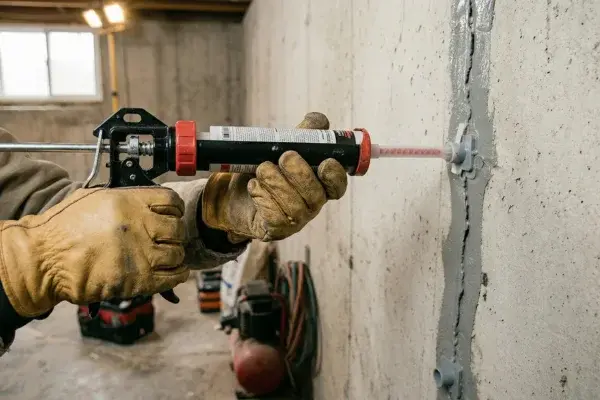
Epoxy injection concrete repair is a process used to fill and seal cracks in concrete using a high-strength epoxy resin. The epoxy is injected into the crack under pressure, allowing it to fully penetrate the damaged area. Once it cures, the epoxy forms a strong bond that can restore the structural integrity of the concrete.
This method is commonly used in commercial buildings, parking structures, warehouses, and industrial facilities. It is especially useful when cracks affect load-bearing elements or when water intrusion is a concern.
Unlike surface patching, epoxy injection addresses the root of the problem by sealing the entire depth of the crack.
Common Causes of Concrete Cracks
Before deciding if epoxy injection concrete repair is needed, it is important to understand what caused the crack. Some of the most common causes include:
Structural stress from heavy loads or shifting foundations
Temperature changes that lead to expansion and contraction
Shrinkage during the curing process
Water intrusion that weakens the concrete over time
Corrosion of embedded steel reinforcement
Not every crack requires epoxy injection repair. Hairline cracks that are not growing or affecting performance may only need monitoring. Structural cracks or those that allow moisture to enter often require a more advanced solution.
Signs Epoxy Injection Concrete Repair Is Needed
Knowing when to act can prevent small problems from becoming costly repairs. Here are key signs that epoxy injection concrete repair may be the right solution.
Structural Cracks in Load-Bearing Areas
Cracks in beams, columns, or load-bearing walls should never be ignored. These cracks can reduce the strength of the structure and create safety risks.
Epoxy injection repair is ideal in these cases because it restores the original strength of the concrete. The epoxy bonds the cracked sections together, allowing the structure to perform as intended.
Active Cracks That Continue to Grow
If a crack is widening or spreading, it is considered active. These cracks are often caused by ongoing movement, stress, or environmental conditions.
Epoxy injection can stop further damage by sealing the crack and reinforcing the area. It is important to address active cracks early before they compromise larger sections of the structure.
Water Leaks and Moisture Intrusion
Water entering through cracks can lead to serious problems. It can damage interior finishes, promote mold growth, and accelerate corrosion of steel reinforcement.
Epoxy injection concrete repair creates a watertight seal that blocks moisture from entering the structure. This is especially important in basements, parking garages, and industrial facilities where water exposure is common.
Cracks in Industrial Floors and Slabs
Industrial floors take constant abuse from heavy equipment, forklifts, and foot traffic. Cracks in these areas can lead to uneven surfaces, safety hazards, and operational disruptions.
Using epoxy injection concrete repair helps stabilize the slab and extend its service life. It also reduces the risk of further cracking under heavy loads.
Visible Rust Staining or Corrosion
Rust stains near cracks often indicate that the reinforcing steel inside the concrete is corroding. This weakens the structure from within and can lead to spalling or larger failures.
Epoxy injection concrete repair helps seal out moisture and protect the internal steel from further corrosion. Addressing this early can prevent more extensive repairs later.
When Epoxy Injection May Not Be the Right Option
While epoxy injection concrete repair is effective in many situations, it is not always the best solution.
If the concrete is severely deteriorated or if there is ongoing movement that has not been addressed, other repair methods may be required. For example, wide cracks caused by settlement may need structural stabilization before any injection work is performed.
In cases where flexibility is needed, such as joints that move with temperature changes, a polyurethane injection or sealant may be more appropriate.
A professional assessment is critical to determine the right approach.
Benefits of Epoxy Injection Concrete Repair
Choosing epoxy injection concrete repair offers several advantages for commercial and industrial properties.
Restores Structural Integrity
The primary benefit is strength. Epoxy bonds the concrete back together, allowing it to carry loads as designed.
Prevents Water Infiltration
Sealing cracks stops water from entering the structure, which helps prevent corrosion and interior damage.
Minimizes Downtime
Compared to full concrete replacement, epoxy injection concrete repair is faster and less disruptive. Many repairs can be completed without shutting down operations.
Extends the Life of Existing Concrete
Repairing cracks early helps extend the lifespan of your concrete surfaces and structural components. This reduces long-term maintenance costs.
Cost-Effective Solution
Epoxy injection concrete repair is often more affordable than large-scale replacements or structural rebuilds. It allows property managers to address issues before they escalate.
The Importance of Professional Application
Epoxy injection concrete repair requires precision and experience. The process involves cleaning the crack, sealing the surface, installing injection ports, and applying the epoxy at the correct pressure.
Improper application can lead to incomplete filling or failure of the repair. That is why it is important to work with a contractor that understands both the materials and the structural demands of commercial and industrial properties.
An experienced contractor will also identify the root cause of the crack and recommend the right repair strategy.
Contact KC Painting & Coatings for Epoxy Injection Concrete Repair
If you have noticed cracks in your concrete structure, do not wait for the problem to get worse. KC Painting & Coatings provides professional epoxy injection concrete repair for commercial and industrial properties.
Their team understands the demands of your facility and delivers solutions that restore strength and performance. Reach out today to schedule an inspection and get expert guidance on the best repair approach for your property.
FAQ
How do I know if a concrete crack is structural or just cosmetic?
Structural cracks are often wider, continue to grow, or appear in load-bearing areas like beams and columns. Cosmetic cracks tend to be thin and stable. A professional inspection is the best way to confirm the difference.
How long does epoxy injection repair typically last?
When applied correctly, epoxy injection can last for many years and often performs as a permanent repair. Its durability depends on the cause of the crack and whether underlying issues have been addressed.
Will repairs disrupt daily operations at my facility?
Most epoxy injection projects can be completed with minimal disruption. In many cases, repairs are done in sections to keep your facility running smoothly.


Comments