
New Construction Painting: Scope and Standards Explained
- Adam Diamond

- Apr 28
- 5 min read

New construction projects involve tight timelines, multiple trades, and strict quality expectations. For commercial property managers and industrial facility managers, having a clear understanding of how new construction painting fits into the overall project can help avoid delays and costly rework. Painting is one of the final steps before turnover, but it depends heavily on everything that comes before it.
On complex commercial and industrial builds, the painting scope goes far beyond basic finishes. It requires coordination, product knowledge, and the ability to work across a wide range of surfaces and environments. This is where experienced contractors like KC Painting & Coatings stand out, especially on demanding projects across the Southeast.
What Is Included in New Construction Painting?
New construction painting covers all coating and finishing work applied to a newly built structure. Since the building starts with raw materials, the process includes surface preparation, priming, and multiple finish coats.
For commercial and industrial projects, the scope typically includes:
Interior drywall and ceilings
Structural steel and exposed elements
Exterior facades such as concrete, masonry, and metal panels
Specialty coatings for high-performance environments
Each surface requires a different system. For example, drywall needs sealing and smooth finishes, while steel may require corrosion-resistant coatings. A well-defined scope of work accounts for these differences from the start.
Understanding the Scope of Work
The scope is usually outlined in project specifications and drawings. These documents define the types of coatings, number of coats, surface preparation requirements, and performance standards.
On large-scale commercial and industrial sites, the scope may also include:
Fireproofing and intumescent coatings
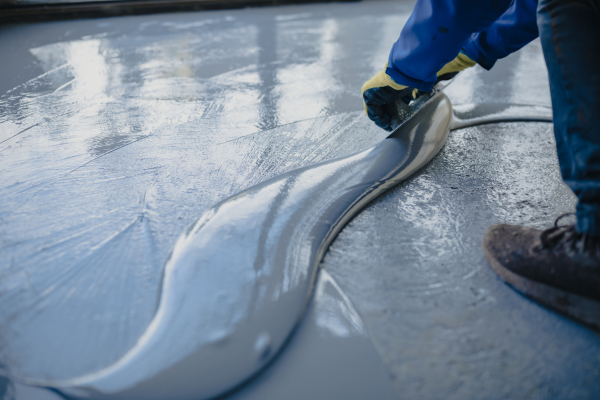
Epoxy and urethane systems for floors
Anti-corrosion coatings for exposed steel
Waterproofing or elastomeric exterior coatings
These systems are critical for long-term performance. In facilities such as warehouses, manufacturing plants, and distribution centers, coatings must handle heavy use, temperature changes, and exposure to chemicals.
Contractors like KC Painting & Coatings are often brought in early during pre-construction to review specifications and identify any gaps or conflicts. This level of involvement helps reduce change orders and keeps the project on track.
Surface Preparation: The Foundation of Quality
Surface preparation is one of the most important parts of new construction painting. Even the best coatings will fail if applied to poorly prepared surfaces.
Preparation requirements vary depending on the material:
Drywall must be properly finished, sanded, and cleaned
Concrete may need curing, patching, or moisture testing
Steel often requires cleaning or blasting to remove mill scale and contaminants
Wood surfaces need sanding and sealing
On industrial projects, surface prep can be more demanding. Areas exposed to moisture or chemicals require strict preparation standards to prevent early coating failure.
Experienced crews understand how to evaluate each surface and apply the correct preparation method. This attention to detail is a key reason why contractors with industrial experience are preferred for complex builds in the Southeast.
Coating Systems and Product Selection
Not all paints are the same. For complex commercial and industrial projects, selecting the right coating system is critical for both appearance and durability.
Commercial projects often use:
Acrylic coatings for general interior and exterior surfaces
Epoxy systems for floors and high-traffic areas
Urethane topcoats for added durability and chemical resistance
Elastomeric coatings for exterior waterproofing
Industrial environments may require more specialized systems. For example, facilities with high humidity or chemical exposure need coatings that can resist corrosion and breakdown over time.
KC Painting & Coatings has experience working with these advanced systems, which allows them to match the right product to the specific demands of each project. This level of expertise is especially valuable on large-scale developments where performance requirements are strict.
Scheduling and Coordination with Other Trades
Timing is everything in new construction painting. Painting crews typically follow behind drywall, electrical, mechanical, and flooring trades. If one phase is delayed, it can impact the entire schedule.
Proper coordination includes:
Sequencing work to avoid damage to finished surfaces
Scheduling around inspections and punch list items
Managing access to different areas of the site
Adjusting timelines based on weather for exterior work
On complex commercial and industrial sites, coordination becomes even more critical. Multiple crews may be working at the same time, and space can be limited.
Quality Control and Industry Standards
Quality control is a major focus in new construction painting. Commercial property managers expect consistent finishes, clean lines, and long-lasting performance.
Industry standards often reference guidelines from organizations such as the Painting Contractors Association and manufacturers’ specifications. These standards cover:
Proper film thickness for coatings
Adhesion and coverage requirements
Environmental conditions during application
Inspection and touch-up procedures
On industrial projects, inspections may be more detailed. Coatings may need to meet specific performance criteria, especially in regulated environments.
Experienced contractors follow these standards closely and document their work throughout the project. This helps protect the owner’s investment and reduces the risk of issues after completion.
Common Challenges in New Construction Painting
Even with careful planning, large-scale painting projects can present challenges. Some of the most common include:
Incomplete or rushed surface preparation
Moisture issues in concrete or drywall
Damage from other trades after painting is complete
Weather delays affecting exterior work
On large commercial projects in the Southeast, humidity and temperature can also impact application and drying times. These factors must be accounted for to avoid coating failures.
Why Experience Matters on Complex Projects
Not all painting contractors are equipped to handle large-scale commercial and industrial builds. Providing painting services on these sites requires more than basic skills. It requires knowledge of specialized coatings, safety standards, and project coordination.
Contractors with experience in complex environments bring:
A deeper understanding of coating systems
The ability to work alongside multiple trades
Strong project management and communication
Proven processes for quality control
Partnering with the Right Contractor
For commercial property managers, choosing the right partner for new construction painting can impact the entire project. A reliable contractor helps keep schedules on track, maintains quality standards, and reduces long-term maintenance concerns.
From early planning to final walkthroughs, experienced teams bring structure and accountability to the process. This is especially important on large developments where small issues can quickly become costly problems.
KC Painting & Coatings brings the level of expertise needed for complex commercial and industrial projects. Their approach focuses on clear communication, proper execution, and delivering finishes that hold up over time.
Get Expert Support for Your Next Project
If you are planning a new development, working with a contractor who understands the full scope of new construction painting can make a measurable difference. From surface preparation to final inspection, every step matters.
KC Painting & Coatings has the experience to handle demanding commercial and industrial projects with precision. Contact their team today to discuss your next project and get the support you need to keep your build on schedule and up to standard.
FAQ
How early should a painting contractor be involved in a new construction project?
Bringing a painting contractor in during pre-construction helps identify scope gaps, align specifications, and avoid delays. Early involvement improves coordination with other trades.
What factors affect the durability of commercial paint systems?
Surface preparation, product selection, and environmental conditions all play a major role. Poor prep or using the wrong coating system can lead to early failure.
How do you manage painting quality on large commercial builds?
Quality is controlled through detailed specifications, on-site supervision, and consistent inspections. Experienced contractors also document application conditions and coating performance.

Comments