
Concrete Sealing for High-Traffic Commercial Floors
- Adam Diamond

- May 28
- 5 min read
Commercial floors take constant abuse from foot traffic, equipment movement, spills, moisture, and heavy loads. Over time, even durable concrete surfaces begin to show signs of wear. Cracking, staining, dust buildup, and surface deterioration can quickly affect both the appearance and performance of a facility. For commercial property managers, protecting those surfaces is a critical part of long-term building maintenance.
Concrete sealing plays a major role in extending the life of commercial flooring systems. From warehouses and manufacturing plants to retail centers, healthcare facilities, and distribution hubs, properly sealed concrete floors hold up better under demanding conditions while reducing maintenance costs and downtime.
KC Painting & Coatings works with commercial and industrial properties that require durable flooring solutions capable of handling high-traffic environments. Their experience with large-scale and mission critical projects gives property managers confidence that flooring systems are installed with long-term performance in mind.
Why Concrete Sealing Matters for Commercial Floors
Concrete may seem indestructible, but untreated concrete is porous. That means it absorbs water, chemicals, oils, and contaminants over time. In busy commercial environments, this exposure leads to surface damage that can weaken the floor and create safety concerns.
Concrete sealing creates a protective barrier that shields the surface from daily wear and environmental exposure. A properly sealed floor resists moisture intrusion, chemical spills, abrasion, and staining while improving the overall appearance of the facility.
For commercial property managers, concrete sealing also helps reduce maintenance demands. Sealed floors are easier to clean and less likely to produce concrete dust that can affect indoor air quality or damage equipment.
Common Problems Caused by Unsealed Concrete
High-traffic commercial floors experience constant pressure. Without concrete sealing, facilities often face problems that become expensive to repair if left untreated.
Surface Dusting
As concrete wears down, small particles break loose and create dust throughout the facility. This is common in warehouses, manufacturing plants, and distribution centers with heavy forklift traffic.
Concrete sealing helps stabilize the surface and reduce dust generation.
Moisture Penetration
Water intrusion is one of the biggest threats to concrete flooring systems. Moisture can lead to cracking, coating failure, mold growth, and surface deterioration.
Concrete sealing helps block moisture from penetrating the slab and damaging the floor over time.
Chemical Damage
Commercial and industrial facilities often expose floors to oils, cleaning chemicals, solvents, and other harsh materials. Unprotected concrete absorbs these substances, leading to staining and structural weakening.
A quality concrete sealing system creates resistance against chemical exposure.
Premature Wear
Heavy foot traffic, rolling equipment, and pallet movement gradually wear down untreated concrete surfaces. This can create uneven flooring and increase the risk of slips and falls.
Concrete sealing adds a layer of protection that improves durability in high-use areas.
Types of Concrete Sealing Systems for Commercial Facilities
Different facilities require different approaches to concrete sealing. The right system depends on traffic levels, environmental conditions, and operational demands.
Penetrating Sealers
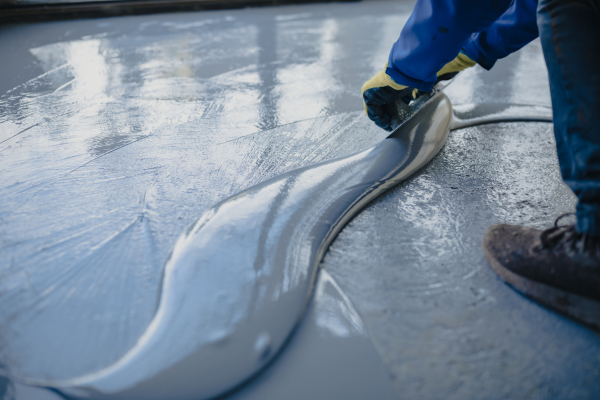
Penetrating sealers soak into the concrete surface and create protection below the surface level. These systems help resist water intrusion and freeze-thaw damage without changing the appearance of the concrete.
This type of concrete sealing is commonly used in parking structures, loading docks, and exterior surfaces.
Acrylic Sealers
Acrylic sealers create a thin protective film on the surface of the concrete. They improve appearance while offering moderate protection against moisture and stains.
These systems are often used in retail environments and decorative concrete applications.
Epoxy Coatings
Epoxy systems provide a thicker layer of protection designed for demanding commercial and industrial environments. These coatings resist chemicals, abrasion, and impact damage.
Many property managers choose epoxy-based concrete sealing for warehouses, production facilities, and manufacturing spaces.
Polyurethane Sealers
Polyurethane coatings offer excellent abrasion resistance and flexibility. They perform well in facilities with heavy equipment traffic and frequent cleaning cycles.
These systems are often selected for commercial spaces that require long-term durability and a professional appearance.
Benefits of Concrete Sealing for Property Managers
Commercial property managers are responsible for maintaining safe, functional, and visually appealing properties. Concrete sealing supports those goals in several ways.
Lower Long-Term Maintenance Costs
Repairing damaged concrete can become expensive, especially in large facilities. Concrete sealing helps extend the life of the floor and reduce the need for major repairs or replacement.
Preventive maintenance is often far more cost-effective than reacting to structural floor damage later.
Improved Safety
Damaged or deteriorating floors create hazards for employees, tenants, and visitors. Dust buildup, surface cracks, and uneven flooring can increase liability risks.
Concrete sealing helps maintain a cleaner and more stable walking surface.
Better Appearance
Floor condition affects how tenants, customers, and employees view a commercial property. Stained or deteriorating concrete can make a facility look poorly maintained.
Concrete sealing improves the appearance of floors while helping facilities maintain a cleaner and more professional environment.
Reduced Downtime
Major floor repairs can interrupt operations and impact tenants or production schedules. Proper concrete sealing helps minimize disruptions by protecting flooring systems before damage becomes severe.
This is especially important in mission critical facilities where operational interruptions may affect productivity and revenue.
Industries That Benefit From Concrete Sealing
Many commercial and industrial facilities rely on concrete sealing to protect high-traffic floors.
Warehouses and Distribution Centers
Forklifts, pallet jacks, and constant movement place significant stress on warehouse flooring. Concrete sealing helps reduce wear and surface deterioration.
Manufacturing Facilities
Industrial environments often expose floors to chemicals, heavy machinery, and impact damage. Durable concrete sealing systems provide an added layer of protection.
Retail Centers
Retail properties need flooring that looks clean and professional while handling steady foot traffic. Concrete sealing helps improve both durability and appearance.
Healthcare Facilities
Hospitals and medical buildings require surfaces that support cleanliness and sanitation. Properly sealed concrete floors are easier to maintain and clean.
Parking Garages
Parking structures face constant vehicle traffic, moisture exposure, and chemical contamination. Concrete sealing helps extend the lifespan of these surfaces.
Choosing the Right Contractor for Concrete Sealing
Not every contractor has the experience needed for complex commercial flooring systems. Commercial property managers should work with companies that understand surface preparation, environmental conditions, and long-term coating performance.
Proper preparation is one of the most important parts of concrete sealing. If the surface is not cleaned and prepared correctly, even high-quality products can fail prematurely.
KCPC works on commercial and industrial flooring systems that demand precision, durability, and minimal operational disruption. Their team understands the challenges involved with high-traffic environments and large-scale facilities throughout the Southeast.
When evaluating a contractor, property managers should look for experience with:
Large commercial facilities
Industrial flooring systems
Surface preparation methods
Moisture mitigation
High-performance coatings
Scheduling around active operations
These factors can make a major difference in the lifespan and performance of a concrete sealing system.
Protect Your Concrete Floors With KCPC
Commercial floors are a major investment. Without proper protection, daily wear can lead to expensive repairs, operational disruptions, and safety concerns. Concrete sealing helps commercial property managers extend floor life, improve appearance, and reduce maintenance challenges across a wide range of facilities.
KCPC provides professional concrete sealing solutions for commercial and industrial properties that demand long-lasting performance. From warehouses and manufacturing plants to mission critical environments, their team delivers flooring systems built for demanding conditions.
Contact KC Painting & Coatings today to discuss concrete sealing solutions for your commercial property.
FAQ
How often should commercial concrete floors be resealed?
The resealing schedule depends on traffic levels, chemical exposure, and the type of sealer used. Many high-traffic commercial facilities benefit from resealing every 2 to 5 years.
What signs indicate a concrete floor needs protective treatment?
Surface dusting, moisture absorption, staining, discoloration, and visible wear patterns are common signs that a floor may need professional attention. Increased cleaning difficulty can also indicate surface deterioration.
Can sealed concrete floors handle heavy industrial equipment?
Yes. Many commercial-grade sealing systems are specifically designed to withstand forklift traffic, machinery movement, and heavy operational demands when properly installed and maintained.

Comments